
Understanding Public Procurement: A Comprehensive Guide by SCPA Ceparu si Irimia
Introduction to Public Procurement
Public procurement is a critical process that involves the acquisition of goods, services, and works by public sector bodies. It is fundamental to ensuring that public resources are used efficiently and effectively. Understanding the intricacies of public procurement can help businesses and individuals navigate this complex landscape.

The Importance of Public Procurement
Public procurement plays a vital role in the economy. It affects various sectors, from construction and healthcare to education and infrastructure. By adhering to transparent and fair procurement processes, governments can promote competition, reduce corruption, and ensure that public funds are spent wisely.
Economic Impact
Public procurement accounts for a significant portion of government spending. It drives economic growth by enabling the delivery of essential services and infrastructure projects. Businesses that participate in public procurement can gain substantial contracts, leading to job creation and economic development.

Key Principles of Public Procurement
The principles of public procurement are designed to promote fairness, transparency, and accountability. Key principles include:
- Competition: Ensuring a level playing field for all suppliers.
- Transparency: Providing clear and accessible information throughout the procurement process.
- Value for Money: Achieving the best possible outcome for public funds.
Legal Framework
The legal framework governing public procurement varies by country but generally includes laws, regulations, and guidelines that outline the procedures and standards to be followed. Understanding these legal aspects is essential for compliance and successful participation in public procurement.
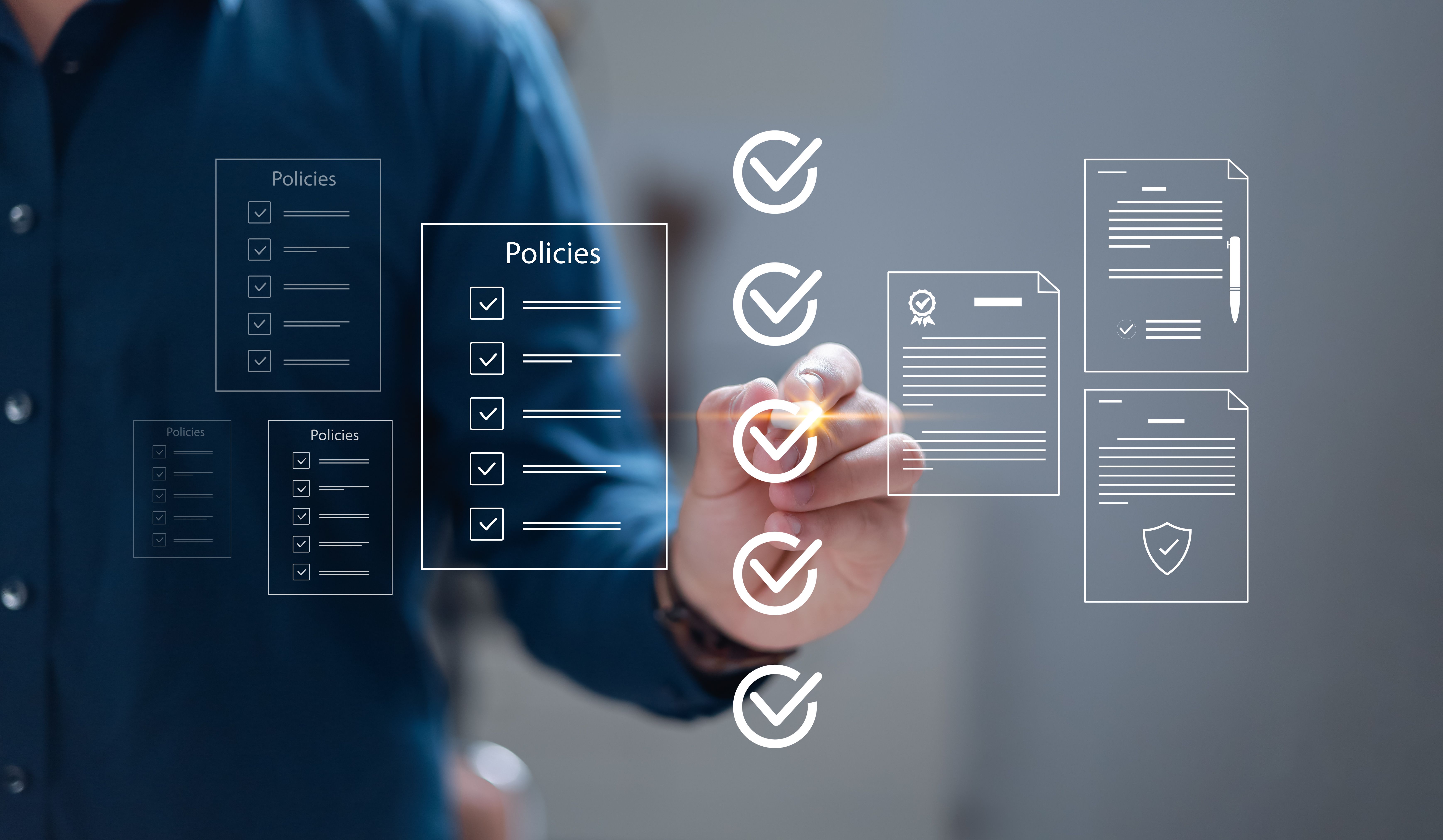
Steps in the Public Procurement Process
The public procurement process typically involves several key steps, each requiring careful attention to detail:
- Planning: Identifying needs and setting objectives.
- Tendering: Preparing and issuing tender documents.
- Evaluation: Assessing bids based on criteria such as cost and quality.
- Awarding: Selecting the winning bid and finalizing contracts.
- Contract Management: Monitoring performance and ensuring compliance.
Challenges and Solutions
Public procurement can present challenges such as bureaucratic delays, complex regulations, and potential for corruption. However, implementing robust systems, enhancing transparency, and fostering collaboration can mitigate these issues.
Conclusion
Understanding public procurement is essential for businesses looking to engage with government contracts. By grasping the principles, legal frameworks, and processes involved, you can effectively navigate the complex world of public procurement. With the insights provided by SCPA Ceparu si Irimia, you are well-equipped to succeed in this dynamic environment.